
Boiled eggs seem simple, but getting that perfect tender yolk and firm white takes a bit of finesse. It’s not just about boiling water; it’s about timing, water temp, and a gentle touch. I’ve learned that even a minute too long can turn that runny center into a rubbery mess.
This recipe is my go-to for mornings when I want something quick, satisfying, and reliable. It’s a small act—boiling an egg—that feels like a tiny victory every time. Plus, once you nail the technique, it’s endlessly adaptable for salads, snacks, or breakfast plates.
There’s something oddly satisfying about mastering a simple skill like this. No fancy gadgets, just a pot, water, and a watch. It’s a humble process that rewards patience and attention. And honestly, there’s nothing quite like peeling a perfectly cooked egg that’s still warm and slightly oozy inside.
This recipe focuses on the overlooked art of timing and water temperature to achieve the perfect boiled egg with a tender, slightly runny yolk and a silky white, emphasizing the science behind the process rather than just boiling and peeling.
The story behind this recipe
- I first started paying attention to boiling eggs during a chaotic breakfast rush. I was tired of peeling rubbery, overcooked yolks or eggs that refused to peel cleanly. One morning, I decided to experiment with water temperature and timing, just to see if I could get it right without fuss.
- That little experiment turned into a quiet obsession. I’d boil eggs at different times, note the textures, smell the whites, and crack the shells gently to see the perfect balance. It’s a small victory, but it made me realize how much detail can hide in such a simple act.
- Now, I keep a mental note of the exact minutes and water temp—because, honestly, it’s those tiny details that make or break the yolk’s creaminess. It’s become a ritual, a way to reclaim calm in the chaos of mornings. And the smell—slightly sulfurous but oddly comforting—still makes me smile every time I cook a batch.
Ingredient breakdown
- Eggs: I prefer large, farm-fresh eggs for that clean shell and rich flavor. You can use older eggs if peeling is tricky; they tend to peel easier.
- Water: Cold tap water works fine, but I’ve found starting with filtered water makes a subtle difference in taste and clarity of the whites.
- Salt: A pinch of salt in the water helps with peeling and adds a tiny boost of flavor—just enough to notice if you pay attention.
- Vinegar (optional): A splash of vinegar can help keep whites together if you’re worried about cracking or overcooking, especially with fresher eggs.
- Ice bath: Not an ingredient, but essential. The sudden chill halts cooking instantly, making peeling smoother and whites firm but tender.
- Salted water: If you like seasoned eggs, adding a bit more salt can bring out a richer flavor in the whites without overpowering.
- Peeling aid: Some swear by peeling eggs under running water or gently cracking shells first—these tricks really cut down on frustration and mess.
Spotlight on key ingredients
Eggs:
- I prefer farm-fresh eggs for richer flavor and sturdier shells. Slightly older eggs peel easier but fresher ones have a cleaner taste.
- Egg whites: They firm up quickly, creating that tender, opaque layer. Fresh whites tend to be slightly more delicate, so handling with care is key.
Eggs:
- Water: Cold tap water is fine, but filtered water makes whites clearer and taste more neutral. It’s the neutral canvas for that perfect peel.
- Ice bath: Not an ingredient, but essential—sudden cold stops the cooking instantly and firms up the whites, making peeling smoother.
- Salt: A pinch in the water helps with peeling and adds a subtle flavor boost. It’s a small detail that makes a difference.
Notes for ingredient swaps
- Eggs: Use organic or pasture-raised eggs for richer flavor and better shell integrity. If peeling is tough, older eggs peel more easily.
- Water: Filtered water can make whites appear clearer and taste slightly cleaner. Regular tap water works fine for most homes.
- Salt: Kosher salt or sea salt can be used instead of table salt; just keep the measurement consistent. Salted water helps with peeling and flavor.
- Vinegar (optional): Apple cider vinegar or rice vinegar can be substituted for white vinegar; they add a subtle tang and help whites stay intact.
- Ice bath: Cold, crushed ice is best, but if you’re out, very cold tap water will do. The goal is quick cooling to halt cooking and ease peeling.
- Salted water: For a flavor boost, add herbs or spices like peppercorns or bay leaves to the boiling water—they impart a gentle aroma and subtle taste.
- Peeling aid: Gently cracking the shell and peeling under running water works universally, but a silicone egg peeler or soft brush can reduce mess and frustration.
Equipment & Tools
- Small saucepan: To boil the eggs evenly.
- Slotted spoon: To gently lower and lift eggs without cracking.
- Ice bath: To stop cooking instantly and facilitate peeling.
- Hard surface for cracking: To crack the shell uniformly without damaging the egg.
Step-by-step guide to boiled eggs
- Gather a small saucepan, enough to hold your eggs in a single layer. Fill it with cold water, about 2.5 cm above the eggs. Add a pinch of salt if you like, but it’s optional. Bring the water to a rolling boil over medium-high heat, around 100°C / 212°F. Watch for bubbles and steam, then lower the heat slightly to maintain a gentle boil.
- Once boiling, carefully lower your eggs into the water using a slotted spoon. Set a timer immediately—start with 6 minutes for slightly runny yolks, 8 for a creamier center. Keep the water at a gentle boil; if it’s boiling too hard, turn it down just a tad. During the first 2 minutes, smell the sulfur—this is normal and will fade as they cook.
- After your timer goes off, quickly transfer the eggs into an ice bath. Use a slotted spoon to move them into a bowl with plenty of ice and cold water. Let them sit for at least 5 minutes. This halts the cooking instantly, making peeling easier and yolks just the right consistency.
- Gently tap the eggs on a hard surface to crack the shell all over. Roll lightly to loosen the shell. Starting at the wider end, peel carefully, watching for membrane separation. If shell sticks, dunk again in ice water for a minute, then peel. Pat dry and serve immediately or store for later.
Let the peeled eggs rest on a paper towel for a minute to dry. Serve warm for the best texture, or refrigerate for up to 24 hours, unpeeled and submerged in water to keep moist. Reheat gently in hot water if needed, but usually best enjoyed cold or at room temperature.
How to Know It’s Done
- Yolk: Slightly runny or creamy, not liquefied or chalky.
- White: Firm, opaque, with no grayish ring or rubbery texture.
- Shell: Peels away easily without excessive cracking or sticking.
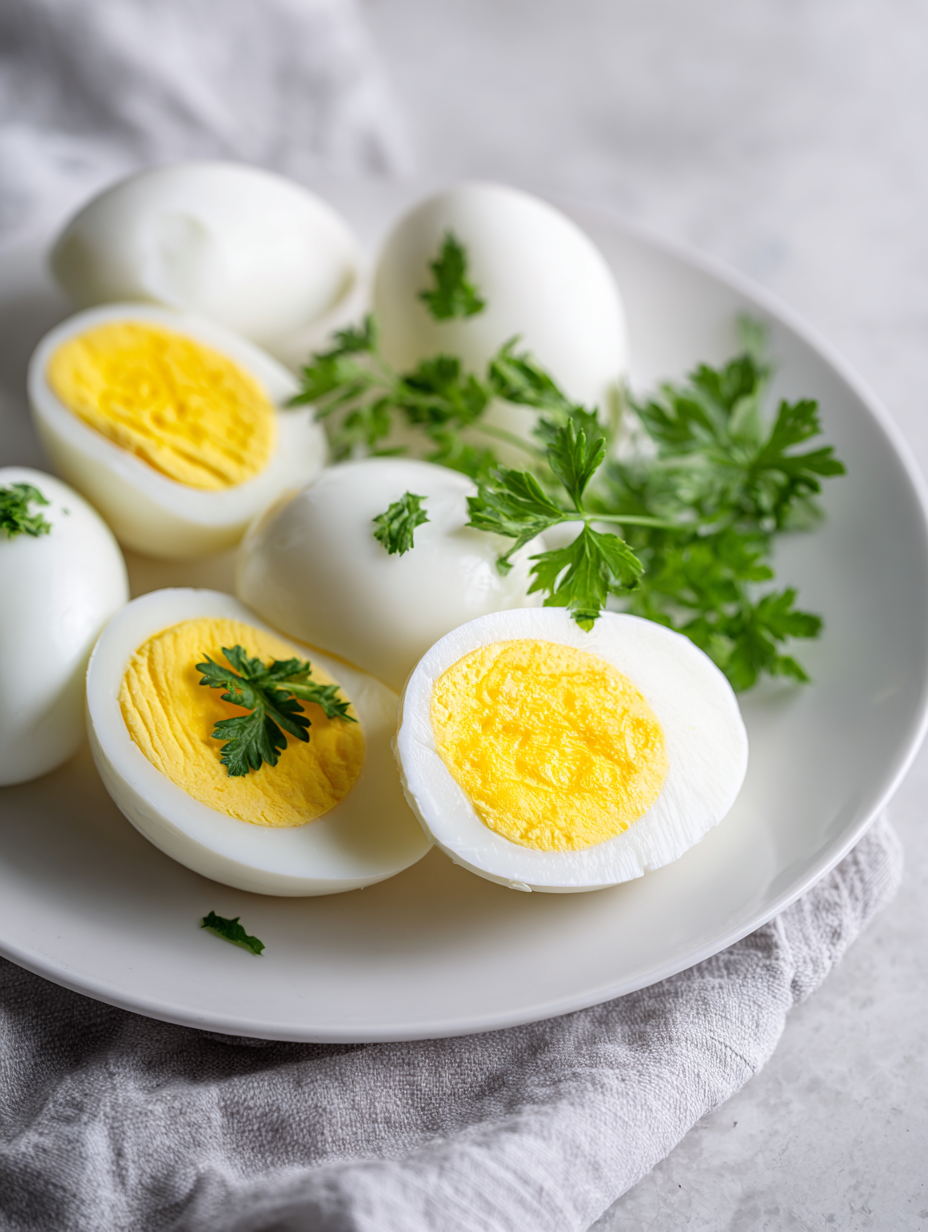
Perfect Boiled Eggs
Ingredients
Equipment
Method
- Place your eggs gently into a small saucepan and cover them with cold water, about 2.5 centimeters above the eggs. Add a pinch of salt if desired. Turn the heat to medium-high and bring the water to a gentle rolling boil, listening for bubbles and steam.
- Once the water reaches a full boil, reduce the heat slightly to maintain a gentle simmer. Use a slotted spoon to carefully lower the eggs into the water, one at a time, to prevent cracking. Start your timer immediately—about 6 minutes for a slightly runny yolk, or 8 minutes for a creamier center.
- Keep an eye on the gentle boil—if it gets too vigorous, turn down the heat slightly. During the first couple of minutes, you’ll notice a sulfurous smell, which is normal and will fade as the eggs cook.
- Once the timer sounds, quickly transfer the eggs into an ice bath using a slotted spoon. Let them sit in the cold water for at least 5 minutes. This rapid cooling stops the cooking process and helps loosen the shell for easy peeling.
- After cooling, gently tap each egg on a hard surface to crack the shell all over. Roll them lightly to loosen the shell further. Peel carefully starting from the wider end, where there’s usually an air pocket, and peel under running cold water for smoother removal.
- Pat the peeled eggs dry with a paper towel and serve immediately for the best tender yolk and white texture, or refrigerate them unpeeled in water for up to 24 hours. Reheat gently in hot water if desired, but they’re most satisfying fresh from the ice bath.
Notes
Tips and tricks for perfect boiled eggs
- Bolded mini-head: Start with cold water → Ensures gradual heat transfer, resulting in a tender white and easily peelable shell.
- Bolded mini-head: Timing is everything → Set a precise timer; 6 minutes for slightly runny yolks, 8 for creamy centers.
- Bolded mini-head: Gentle boiling → Keep water at a gentle simmer to prevent cracking and uneven cooking.
- Bolded mini-head: Ice bath quick chill → Immediately submerge eggs in ice water for at least 5 minutes to stop cooking and ease peeling.
- Bolded mini-head: Crack and peel carefully → Gently tap and roll to crack shell, peel under running water for cleaner removal.
- Bolded mini-head: Use older eggs → Slightly aged eggs peel easier, but fresher eggs provide a cleaner, more delicate taste.
- Bolded mini-head: Watch for doneness → Whites should be opaque and firm; yolk slightly creamy but not runny, with no gray tint.
Common mistakes and how to fix them
- FORGOT to start timing after water reaches a boil → Use a timer immediately.
- DUMPED eggs into boiling water too quickly → Lower gently with a spoon to prevent cracking.
- OVER-TORCHED eggs, yolks turn green → Remove from heat as soon as timer ends.
- FAILED to cool eggs in ice bath → Chill for at least 5 minutes for easy peeling.
Quick fixes and pantry swaps
- When eggs crack during boiling, splash cold water to cool quickly and prevent further cracking.
- If peeling is tough, dump eggs in ice water for 5 seconds before cracking to loosen shells.
- Splash vinegar into boiling water; it helps whites stay intact if eggs are fresh or cracked.
- Patch over overcooked, greenish yolks with a pinch of salt and fresh herbs for better flavor.
- Shield eggs from cracking by gently lowering them into simmering water instead of boiling vigorously.
Prep, store, and reheat tips
- Peel the eggs ahead of time and store in an airtight container in the fridge. They’ll keep for up to 24 hours and are easiest to peel when cold, with a slightly firmer white.
- Hard-boiled eggs can be stored unpeeled in the fridge for up to a week. Keep them submerged in water or in a sealed container to prevent odor absorption.
- For reheating, gently warm peeled eggs in hot water for 30 seconds to a minute until warmed through. The whites will become tender, and yolks will regain a slight creaminess.
- If you want to prep eggs for a meal later in the day, peel and refrigerate. The texture stays good, but avoid storing peeled eggs for more than a day to prevent drying out.
- Overnight refrigeration causes the yolks to firm up slightly, so if you prefer a runnier yolk, reheat carefully or enjoy immediately after boiling.
Top questions about boiled eggs
1. Why do my eggs stick when I peel them?
Use eggs that are a few days old; they peel more easily than really fresh ones.
2. How do I get a runny yolk in boiled eggs?
Try starting with cold water and timing carefully; this helps control the yolk’s consistency.
3. Why are my yolks gray or green?
Immediately transferring eggs to an ice bath stops the cooking process and makes peeling smoother.
4. How long should I boil eggs for perfect yolks?
Boil eggs for 6-8 minutes depending on how runny or firm you like the yolk.
5. What’s the best way to peel boiled eggs?
Peel eggs under cold running water to help loosen the shell and prevent sticking.
6. How long can I keep boiled eggs in the fridge?
Store unpeeled eggs in the fridge for up to a week, submerged in water or in a sealed container.
7. What should I do if my eggs crack during boiling?
If eggs crack during boiling, gently cool them in ice water to prevent further cracking and ease peeling.
8. How can I avoid cracking eggs while boiling?
Using a gentle boil rather than vigorous bubbling prevents cracking and uneven cooking.
9. Can I add anything to the water to improve peeling?
Adding a splash of vinegar or salt to the water can help whites stay intact if eggs crack.
10. How do I reheat boiled eggs without overcooking them?
Reheat peeled eggs in hot water for about 30 seconds for warm, tender whites without overcooking.
Mastering the timing and water temp makes all the difference in those perfect, tender yolks. Once you get the rhythm, boiling eggs becomes a quiet, satisfying ritual—something you can rely on, no matter how hectic the morning.
There’s something oddly comforting about peeling a warm egg, knowing you’ve cracked the code on a simple pleasure. It’s a small skill that pays off with every batch—whether for breakfast, salads, or a quick snack. And that smell—slightly sulfurous but oddly nostalgic—still pulls me in every time I cook a batch.

Hi, I’m Emma Collins, the recipe developer and writer behind Sailing With Seasons. I’m so happy you’ve found your way here. This blog is my celebration of seasonal ingredients, simple cooking, and the quiet joy that comes from preparing food with intention. Sailing With Seasons is where I share the recipes, lessons, and kitchen rituals that have shaped my life. It is a space built on curiosity, care, and a deep respect for real ingredients.








Leave a Reply